Sentinum Cloud Service Wireless IO-Link IODD Parsing Replacement for IO-Link Wireless IO-Link via LoRaWAN®

IODA – Wireless IO-Link IODD parsing made easy.

IODA is Sentinum’s cloud-based IODD decoding service and thus the practical alternative to IO-Link Wireless. It translates raw IO-Link process data—for example, from devices such as the Sentinum AION —into structured, understandable sensor values using the corresponding IODDs. Fully plug-and-play, without local logic in the device and without manual integration.

Edge
IO-Link sensor + AION
Uplink
LoRaWAN® Raw Payload
LNS / Network Server
Any LNS
IODA Cloud
IODD Lookup + Decode
Output
Values + Units + Status
Delivery
REST · MQTT · Webhook
Raw Payload
0x01 9C
Decoded
41.2 °C

What is IODA

IODD decoding – fully in the cloud

IO-Link sensors deliver compact, encoded process data via LoRaWAN®. IODA handles the complete interpretation—automatically, standardized, and without any intervention in the devices.

IODD-based decoding

Raw byte streams are interpreted based on the respective IODD (IO Device Description) – exactly according to the sensor manufacturer’s specifications.

Plug & Play

No custom decoder logic, no firmware adjustments to the device. Store the IODD, connect the sensor—and you have decoded data.

Structured sensor values

0x01 9C becomes 41.2 °C: values with units, labels, and status—immediately usable in dashboards, alarms, and APIs.

The real problem

Wireless Industrial IoT – Data Without Context

LPWAN makes IO-Link wireless and energy-efficient. But what arrives in the cloud are bytes—not information.

Limited data transfer

LPWAN offers only a few bytes per message. Sensors transmit only cyclical process data—heavily compressed, without self-description.

Raw byte streams

Bit fields and encoded values end up in the cloud. Their meaning lies not in the payload—but in the associated IODD.

No Post-Processing Logic

Firmware updates on LPWAN devices are complex. The decoding logic does not belong in the device—but in the cloud.

How IODA works

Four steps from hex value to sensor value

An efficient, cloud-centric architecture – from the IO-Link sensor to your IoT platform.

Sensor & AION

The IO-Link sensor delivers cyclic process data to an LPWAN master such as the Sentinum AION.

LoRaWAN® Uplink

The compact raw payload is transmitted via LoRaWAN® to any LNS—no proprietary stack required.

IODD Decode

IODA applies the stored IODD, decodes bit fields, and translates them into named values with units and status.

Delivery

Structured data via REST API, MQTT, or direct integration into your IoT platform.

Bytes become values

No more meaningless hex values

Sensors send their data in a fixed, encoded structure—without self-description. Without decoding, they remain meaningless hex values. IODA handles the interpretation entirely in the cloud.

  • Automatic: IODD lookup per device type, no manual mapping.
  • Standardized: Exactly according to the sensor manufacturer’s IO-Link specification.
  • No intervention on the device: no firmware updates, no local logic.
  • Structured: Values with description, unit, and status bits are directly usable.
Watch decoding live →
0x01 9C TEMP 41.2 °C
Plug & Play

Register IODD, receive values – no code required in the device.

📡
LPWAN-Ready

Ideal for compressed LoRaWAN® payloads.

🧩
Standardized

IO-Link compliant, vendor-independent.

🚀
Scalable

From pilot to fleet rollout in a single system.

API
Open & integrable

Full data sovereignty – no vendor lock-in

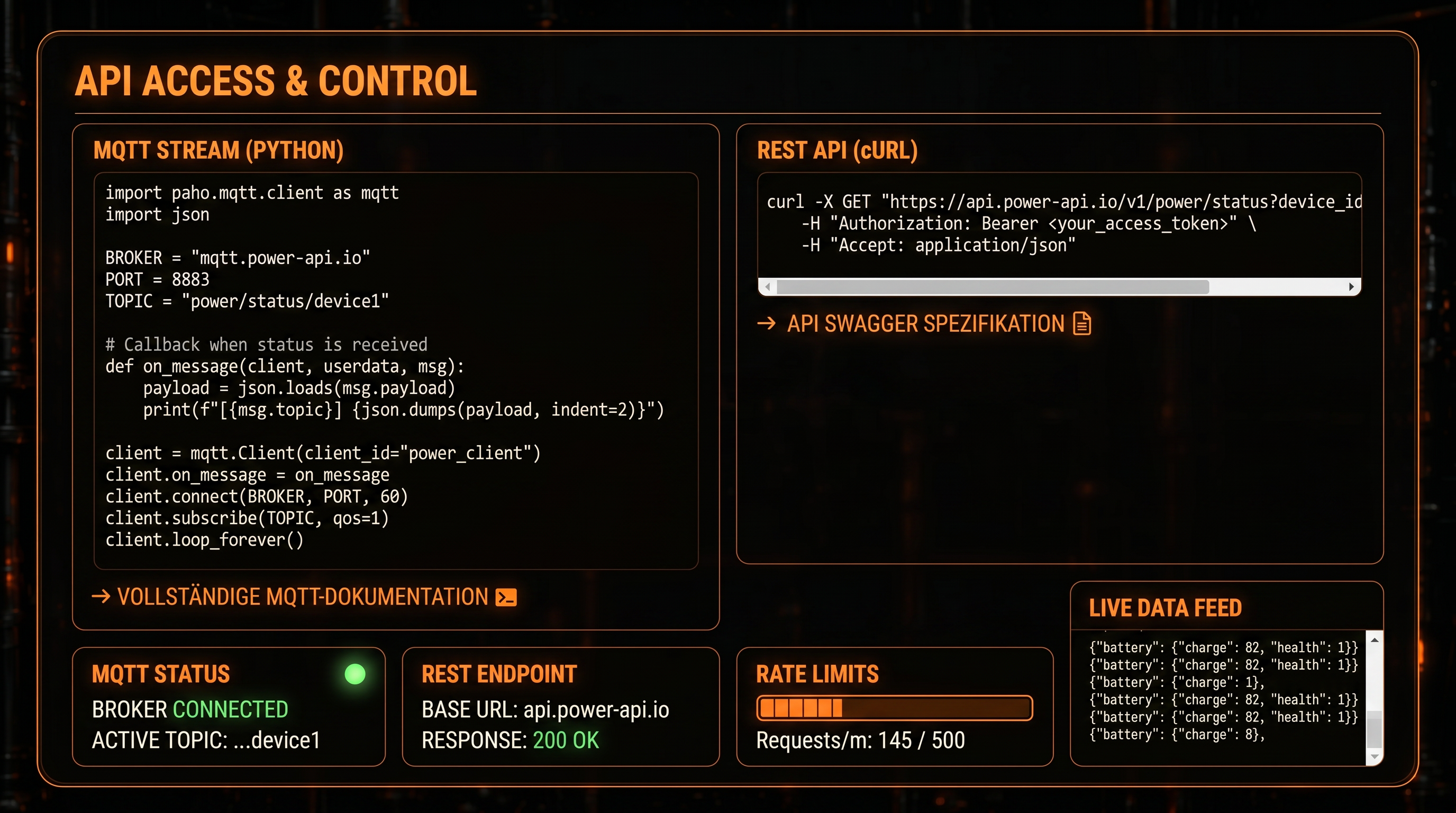
Decoded data can be flexibly processed further—within mysentinum or in any third-party systems via APIs, MQTT, or data streams. The architecture is intentionally kept open.

  • LNS-agnostic: ChirpStack, TTN, Actility, Loriot, Helium, and others.
  • Third-party hardware: not just AION – any compliant LoRaWAN IO-Link device.
  • No vendor lock-in: full data sovereignty, switching possible at any time.
  • Flexible integration: REST API, MQTT topics, or webhook push.
Discuss integration →
Native hardware

Sentinum AION + IODA

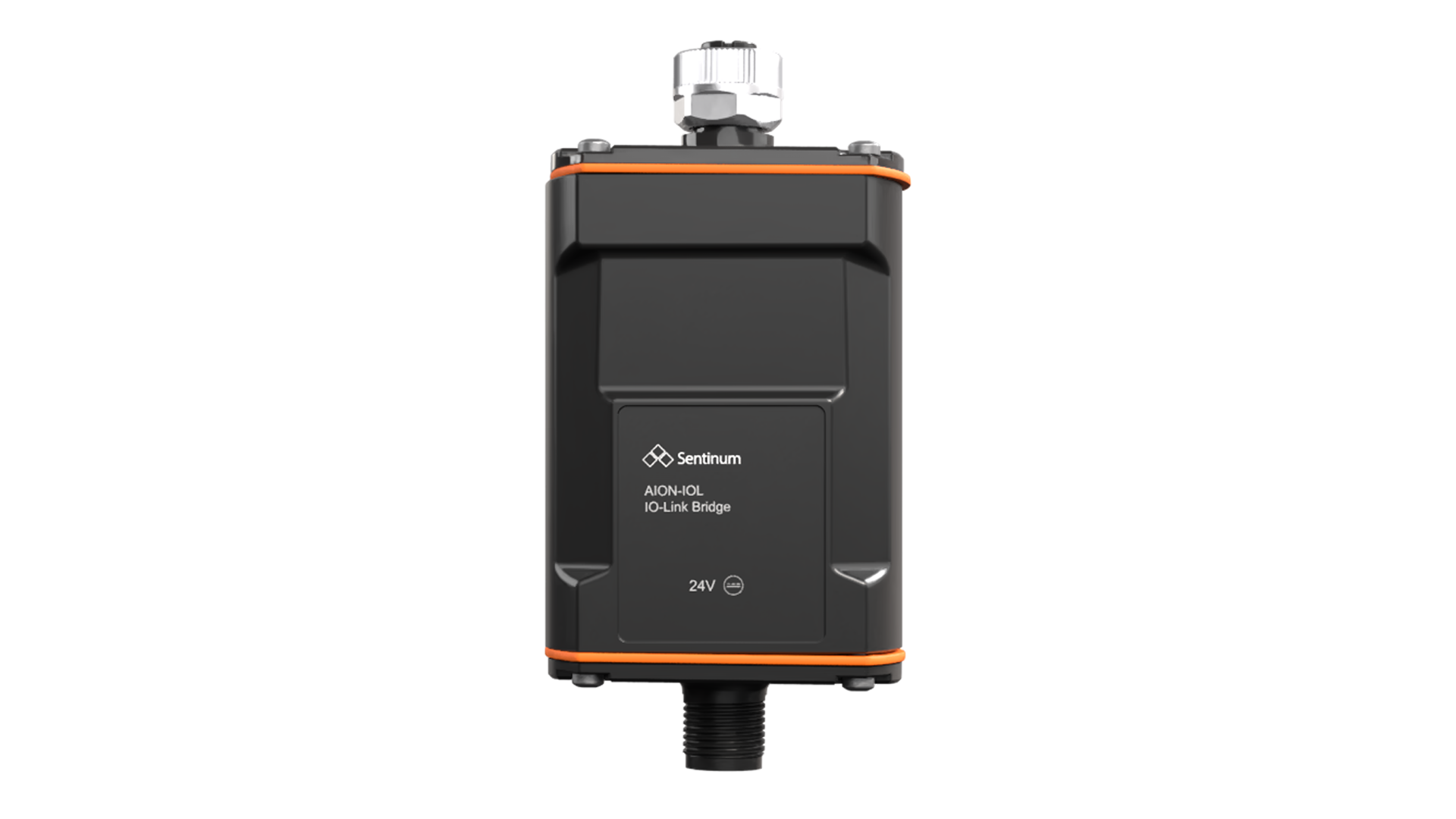
AION is Sentinum’s LoRaWAN IO-Link master – designed to connect IO-Link sensors to the LPWAN in an energy-efficient manner. Together with IODA, it creates a complete, wireless IO-Link chain: from the sensor to the structured value in the cloud.

  • Seamless: AION payloads are pre-configured for IODA out of the box.
  • Energy-efficient: Decoding in the cloud saves processing time at the edge.
  • Scalable: from a pilot with a single sensor to a full-scale factory rollout.
  • Industry standard: full compatibility with IO-Link-compliant sensors.
View AION hardware →
AION

Why IODA was created

From real projects for real requirements

Industrial IoT is becoming increasingly wireless—especially thanks to energy-efficient LPWAN technologies like LoRaWAN®. This allows IO-Link sensors to be connected flexibly and their data transmitted over long distances, for example using devices like the Sentinum AION.

However, this efficiency comes with a key challenge: only a few bytes are available per message, and there is no continuous high-bandwidth communication. Only cyclic process data is transmitted—heavily compressed and reduced to the absolute minimum.

What arrives in the cloud is not directly usable information, but raw byte streams. Their significance lies not in the payload, but in the associated IODDs. Projects therefore often get stuck in the integration phase, as every new device connection requires custom solutions.

This is exactly where IODA comes in: a cloud-based IODD decoding service that handles the interpretation—automatically, standardized, and without any intervention in the devices. In this way, IODA combines the efficiency of LPWAN with the usability of structured data—and makes IO-Link truly scalable in wireless architectures for the first time.

Integration

Three ways to your sensor values

No matter which platform—IODA delivers decoded IO-Link data exactly where you need it.

REST API

Standardized HTTPS endpoints for push and pull – ideal for custom integrations.

MQTT / Data Streams

Real-time push of decoded values via freely selectable MQTT topics or streams.

mysentinum & IoT Platform

Direct connection to mysentinum, Sentinum Datahub, or your own IoT platforms.

Applications

Where IODA is used

Anywhere where IO-Link sensors need to be wirelessly monitored and their data reliably made available.

Industry & Mechanical Engineering

Wireless connection of pressure, temperature, and vibration sensors to production facilities.

Buildings & Utilities

IO-Link sensors in heating, ventilation, air conditioning, and utility infrastructure.

Predictive Maintenance

Condition data from pumps, motors, and drives directly in maintenance platforms.

Logistics & Warehousing

Level, position, and status of mobile containers and storage facilities.

Water & Environment

Wireless IO-Link sensors in wastewater treatment plants, wells, and supply networks.

Energy & Plant Engineering

Monitor distributed systems over long distances without complex cabling.

FAQ

Frequently Asked Questions

What is IODA?

IODA is a cloud decoding service from Sentinum. It translates raw IO-Link process data transmitted via LoRaWAN® from devices such as the AION into structured, usable sensor values using the corresponding IODDs.

What hardware is supported?

Sentinum AION as well as compatible third-party LoRaWAN IO-Link masters that transmit process data in a standardized manner via LPWAN.

What is an IODD and why is it necessary?

The IO Device Description (IODD) describes an IO-Link sensor: data structure, bit fields, values, units, and status. Without an IODD, the transmitted bytes remain meaningless hex values. IODA automatically applies the appropriate IODD to every incoming payload.

Why not decode directly in the device?

With wireless LPWAN devices, firmware updates are complex, parameter changes are difficult, and resources are limited. The decoding logic belongs in the cloud—where it can be centrally maintained, updated, and scaled.

Which network servers are compatible?

IODA is LNS-agnostic. Payloads can be transferred to IODA via API from any LoRaWAN Network Server (e.g., ChirpStack, The Things Stack, Actility ThingPark, Loriot, Helium).

How are results delivered?

Via REST API, MQTT, or through direct integration with mysentinum, the Sentinum Data Hub, or third-party systems. Structured values are provided, including description, unit, and status.

Do I retain data sovereignty?

Yes. IODA is deliberately designed to be open: no vendor lock-in; decoded data can be forwarded to any third-party systems—the user retains full data sovereignty.

Turning bytes into information – let’s talk about it.

Do you operate or plan to use IO-Link sensors via LoRaWAN®? We’ll show you how IODA fits into your existing LNS and IoT landscape—including live decoding at your sensor.